GPT-5 is released
GPT-5 unifies OpenAI’s AI into a powerful system with advanced capabilities.
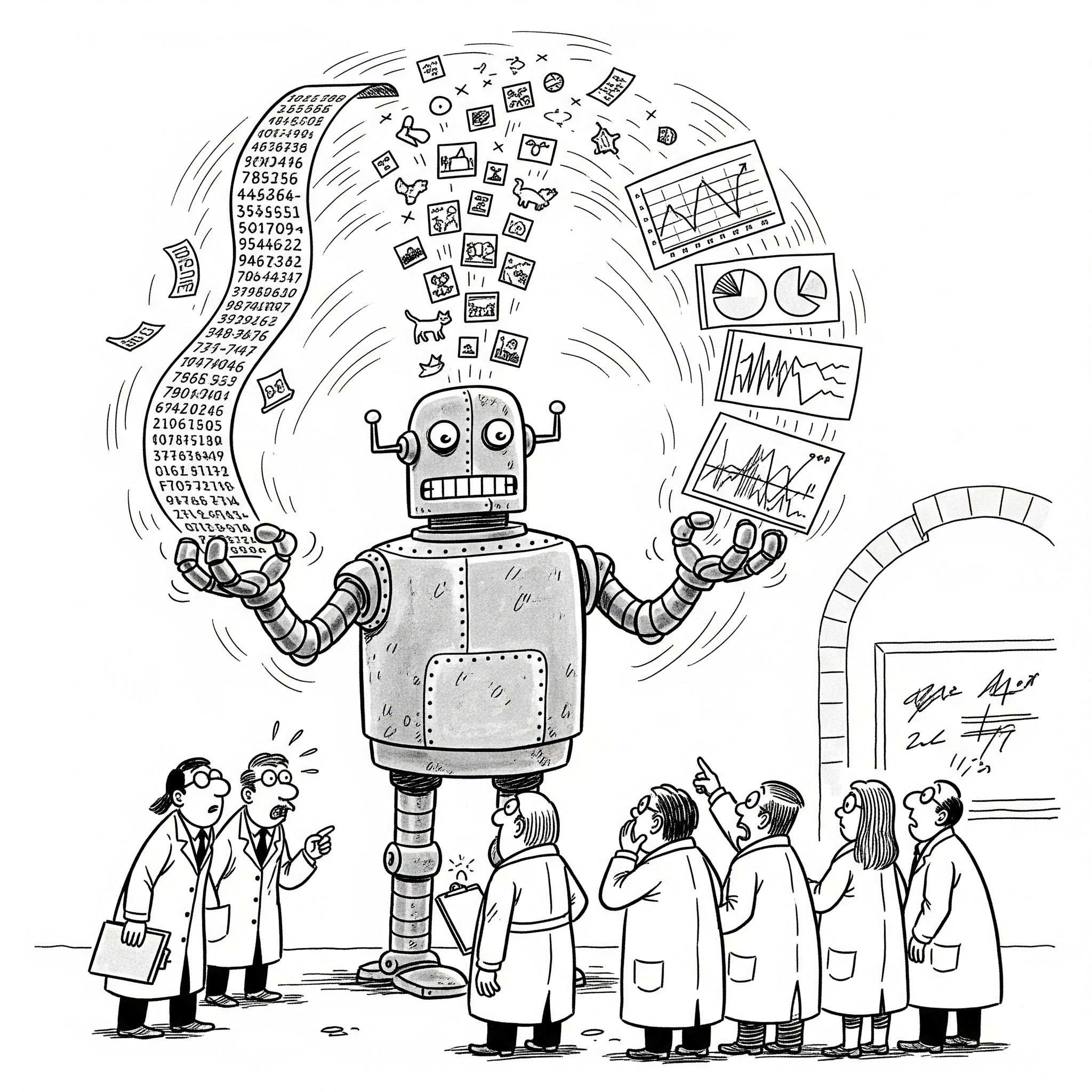
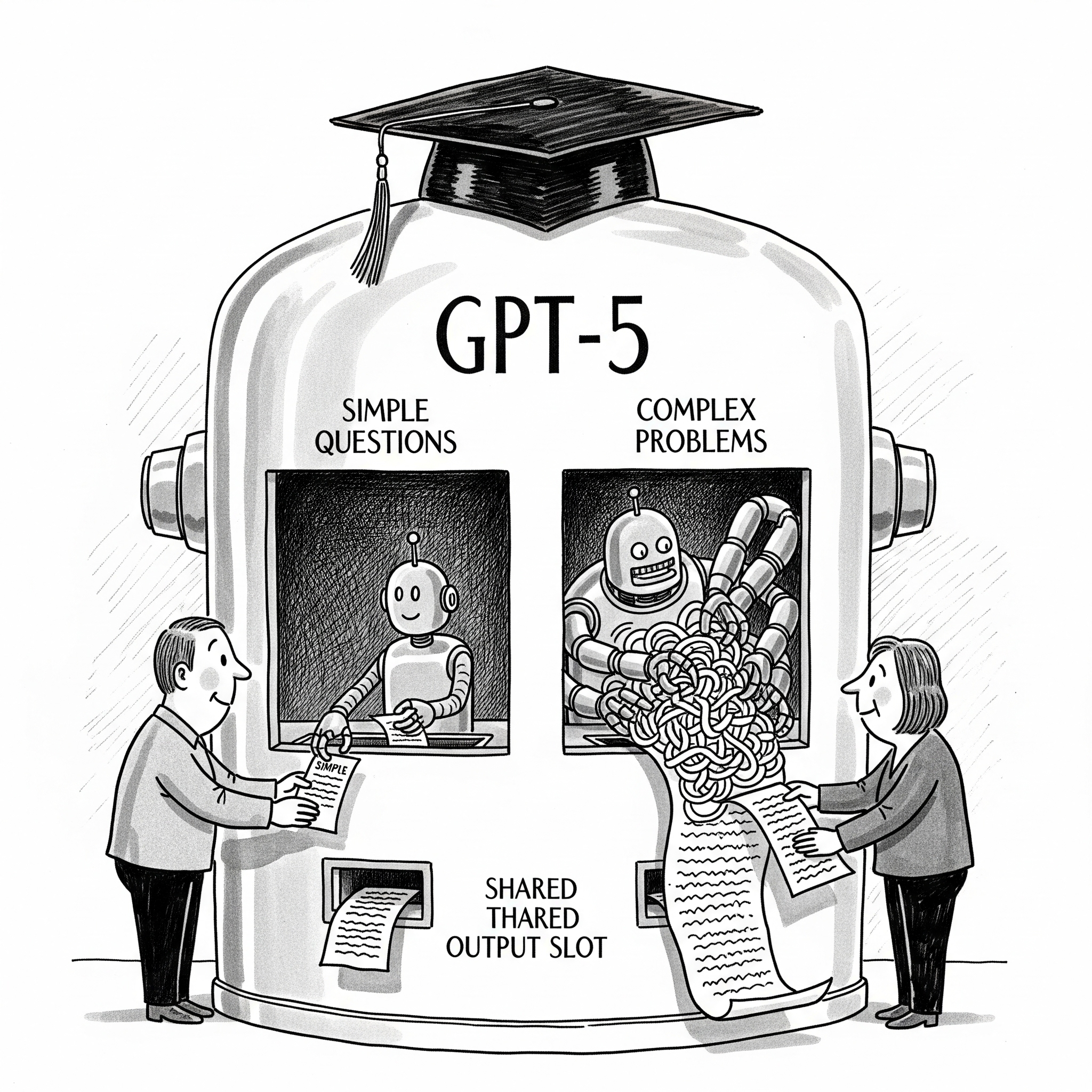
OpenAI has once again pushed the boundaries of artificial intelligence with the much-anticipated release of its latest model, ChatGPT-5. OpenAI’s launch of GPT-5 represents a major consolidation of its strategy, replacing a scattered set of products with one unified intelligence platform. Marketed as a "PhD-level expert," GPT-5 is framed as an active intellectual partner rather than a passive tool. The system uses a smart routing mechanism to manage resources, sending simple queries to lightweight models while directing more complex challenges to advanced reasoning engines. This design makes the experience seamless for users, though it also shifts control to OpenAI's backend systems, requiring trust in how those optimizations are made.
On the technical side, GPT-5 delivers a broad upgrade. It offers stronger reasoning abilities and significantly fewer hallucinations, making it more dependable for factual and mathematical work. In software development, it has reached state-of-the-art performance, generating full applications from natural language prompts and supporting professionals with advanced debugging and code refactoring. Its creative writing is more consistent and structurally sound, though some users feel it has lost some of the imaginative spark of earlier models, likely due to stricter safety measures. The model also extends into multimodal capabilities, seamlessly processing text, images, and audio, which establishes the groundwork for the next generation of autonomous, agent-driven systems.
Within the market, GPT-5 is positioned as a flexible all-rounder. It competes with Google's Gemini 2.5 Pro, valued for its ability to handle massive documents, and Anthropic's Claude Opus 4.1, widely praised for its fluid, human-like writing. No single system currently dominates, but GPT-5 stands out for its strength in coding and its potential to serve as the backbone of agentic AI.
The release also highlights serious societal and ethical issues. CEO Sam Altman has compared its development to the Manhattan Project, suggesting the technology carries risks that are still not fully understood. Concerns include the displacement of clerical and administrative jobs, the large-scale production of misinformation, and the environmental toll of data centers. In response, governments and non-profits are ramping up efforts in AI safety and alignment research.
In the end, GPT-5 is less a revolution than an evolution. It speeds up the integration of AI into everyday life and redefines it from a reactive tool into a proactive collaborator. Its greatest value may not lie in automation alone, but in the partnership it enables, where human judgment, creativity, and ethics guide its powerful capabilities.